Ethical Outsourcing: Principles, Laws, and How to Choose a Responsible Partner

On This Page
- What Is Ethical Outsourcing?
- Why Does Ethical Outsourcing Matter for Business?
- What Are the Core Principles of Ethical Outsourcing?
- What Does Fair Labor and Social Responsibility Look Like in Outsourcing?
- Which Laws and Frameworks Govern Ethical Outsourcing?
- How Do You Choose an Ethical Outsourcing Partner?
- How Do Technology and Measurement Keep Outsourcing Ethical?
- What Are the Challenges and Future of Ethical Outsourcing?
- Is an Ethical Outsourcing Partnership Right for Your Business?
- Frequently Asked Questions
Ethical outsourcing means working with external providers that treat workers fairly, protect data, follow the law, and operate transparently, while still delivering the cost and capacity benefits you outsource for. It judges a partnership by how the work gets done, not only by the price, and it backs that up with contracts, audits, and clear reporting.
Outsourcing used to be judged almost entirely on savings. Today, customers, investors, and regulators also ask who does the work and under what conditions. This guide covers what ethical outsourcing means, the business case for it, its core principles, fair labor and social responsibility, the laws that shape it, how to choose and monitor a partner, and the challenges ahead.
What Is Ethical Outsourcing?
Ethical outsourcing is the deliberate choice to work with providers under rules that put fairness, compliance, and mutual benefit alongside cost. Success is measured by financial results and by the effect on workers, customers, and communities.
In practice, an ethical outsourcing relationship has these features:
- Clear contracts: scope, pricing, service levels, and responsibilities written down, with no hidden fees.
- Fair wages and safe working conditions: pay and benefits that meet or exceed local law, and a workplace free from harassment.
- Non-discriminatory hiring: recruitment based on skills, with equal treatment for all staff.
- Data privacy compliance: adherence to laws such as GDPR in the EU, CCPA/CPRA in California, and the data protection law of the provider’s country.
- Alignment with global standards: such as the United Nations Sustainable Development Goals and International Labour Organization (ILO) conventions.
Traditional outsourcing focused on margins. Ethical outsourcing brings governance and stakeholder interests into the same decision, so trust, quality, and transparency count as much as the rate card.
Why Does Ethical Outsourcing Matter for Business?
Ethical outsourcing protects your reputation, lowers legal and operational risk, and produces more stable partnerships. It is a risk decision as much as a values decision.
- 27.6MPeople in forced labour worldwideILO, 2022 Global Estimates
- US$236BIllegal profits from forced labour each yearILO, Profits and Poverty, 2024
- 4%Maximum GDPR fine as a share of worldwide annual turnoverGDPR Article 83
- ₱2MMaximum fine for unauthorized processing under the Philippine DPARA 10173, Section 25
Three business reasons stand out:
- Reputation and loyalty: customers and investors increasingly favor brands that treat workers fairly and handle data responsibly. One labor or privacy scandal at a vendor can become your headline.
- Operational stability: providers that meet call center compliance standards and treat staff well tend to keep people longer, which means steadier quality and fewer disruptions from turnover, disputes, or legal action.
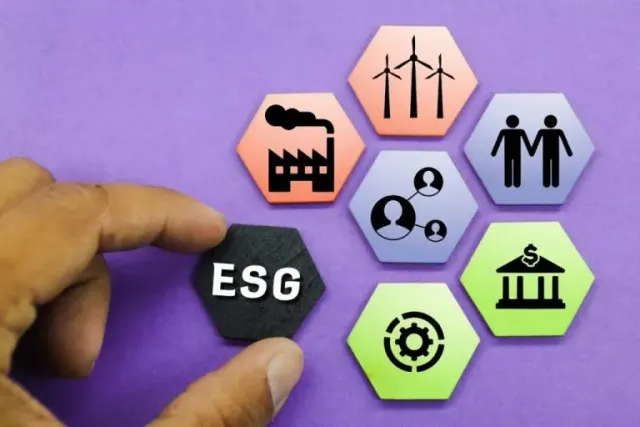
- Investor scrutiny: environmental, social, and governance (ESG) performance is now a marker of long-term risk. Responsible sourcing reduces exposure to controversies over labor exploitation or data misuse.
The stakes are real. The International Labour Organization estimates that 27.6 million people are in forced labor (2022 Global Estimates), generating US$236 billion in illegal profits every year. Most outsourced service work is far from that extreme, but the same due diligence that screens out abuse also catches lesser problems such as unpaid overtime or unsafe facilities.
What Are the Core Principles of Ethical Outsourcing?
Five principles guide ethical outsourcing: transparency, fair labor practices, data and privacy protection, environmental responsibility, and continuous accountability.
- Transparency: all parties share clear performance indicators, pricing, and contract terms, which prevents hidden costs and corruption.
- Fair labor practices: employees receive fair wages, safe workplaces, and non-discriminatory treatment consistent with ILO conventions, the clearest line between ethical and unethical BPO practices.
- Data and privacy protection: customer information is safeguarded under frameworks such as GDPR, UK GDPR, CCPA, or regional data protection laws.
- Environmental responsibility: providers reduce energy use and waste as part of their corporate responsibility.
- Continuous accountability: audits, reporting, and feedback keep standards from slipping over time.
Applied together, these principles turn a vendor relationship from a transaction into a partnership built on quality, respect, and shared goals.
What Does Fair Labor and Social Responsibility Look Like in Outsourcing?
Fair labor means the people doing your work are paid properly, work reasonable hours in safe conditions, and are treated with respect. Social responsibility extends that care to the environment and the communities where providers operate.
Fair Labor and Workforce Well-being
Look for wages at or above the legal minimum, paid overtime, mandated benefits, reasonable shift lengths, rest breaks, and a safe, healthy workplace. Night-shift work, common for teams serving US customers from Asia, needs proper rest periods, transport, and security. Training and career paths matter too: staff who can grow tend to stay. In the Philippines, these rights are shaped by labor law and proposals such as the BPO Workers Welfare and Protection Act.
Environmental and Social Responsibility
Clients increasingly expect providers to manage energy use, reduce waste, and take part in emissions reduction. Socially responsible providers also contribute to local development through stable jobs, training, and community programs. Adding sustainability measures to vendor reviews lets you track social and financial results together.
Cultural Sensitivity and Global Collaboration
Respect for local customs, communication styles, and holidays reduces misunderstandings and builds trust between onshore and offshore teams. Joint onboarding, clear communication norms, and shared recognition for good work help distributed teams act as one.
Which Laws and Frameworks Govern Ethical Outsourcing?
Data protection, labor, and supply chain laws set the minimum standard. Ethical outsourcing meets them in every country involved and writes them into the contract.
- GDPR (EU) and UK GDPR: govern personal data of people in Europe. The most serious breaches can draw fines of up to €20 million or 4% of worldwide annual turnover, whichever is higher, under GDPR Article 83. Cross-border transfers often rely on Standard Contractual Clauses (SCCs).
- CCPA/CPRA (California): gives California residents rights over their personal information, including how service providers handle it.
- HIPAA (US): governs protected health information for healthcare clients and their business associates.
- UK Modern Slavery Act 2015: requires qualifying businesses to publish an annual statement on the steps they take to keep slavery and human trafficking out of their supply chains.
- Philippine Data Privacy Act of 2012: Republic Act No. 10173 sets penalties of one to three years in prison and fines of ₱500,000 to ₱2,000,000 for unauthorized processing of personal information.
Governance must also reach subcontractors. Verify that any second-tier provider follows the same rules as your main partner, because a violation anywhere in the chain reflects on your brand.
How Do You Choose an Ethical Outsourcing Partner?
Run structured due diligence before you sign, and keep checking after. Cost still matters, but it should be weighed against labor, data, and reputational risk.
- 1Review labor policies
Ask for written policies on wages, overtime, safety, diversity and anti-discrimination.
- 2Verify audits and reports
Request third-party audit summaries and sustainability reports where available.
- 3Test data protection
Confirm access controls, privacy-law compliance and how incidents are reported.
- 4Set terms in the contract
Cover IP ownership, confidentiality, subcontractor rules and what happens if standards slip.
- 5Monitor with a scorecard
Track retention, training, audits and service levels, and review them regularly.
Ask each candidate for evidence, not promises: written labor and anti-discrimination policies, recent third-party audit summaries, sustainability reports where available, and data protection controls you can verify. Confirm in the contract who owns intellectual property, how confidential information is handled, and what happens if standards slip. Recognized ISO management standards for quality, information security, and workplace safety are useful signals, but they do not replace your own checks. Companies that take the time to assess partners this way tend to build longer, more stable relationships.
How Do Technology and Measurement Keep Outsourcing Ethical?
Technology makes ethical commitments visible, and measurement keeps them honest. Together they let you verify conditions instead of trusting a vendor’s word.
Cloud dashboards and shared reporting let you monitor performance, schedules, and data access in near real time. Workforce management tools help providers enforce fair scheduling and balanced workloads. Some supply chains use blockchain to create tamper-proof records of transactions, although for most service work, clear audit logs and access controls are enough.
Build ethics into your vendor scorecard alongside efficiency metrics. Useful indicators include:
- Staff retention and attrition rates
- Training hours and participation
- Data protection audits passed and incidents reported
- Overtime hours and schedule changes
- Energy use or emissions, where relevant
Review these with the same rigor as service levels. When the numbers tie ethical practice to business results, it becomes much easier to keep both on track.
What Are the Challenges and Future of Ethical Outsourcing?
The main challenges are uneven regulation across countries, limited resources at smaller suppliers, and pressure to cut corners when budgets tighten. The direction of travel, however, is toward stricter rules and more transparency.
Multinationals must apply one standard across very different labor environments, and smaller suppliers may struggle to meet extensive compliance demands. Economic downturns tempt companies to trade ethics for short-term savings. On the other side, supply chain and sustainability reporting rules are expanding, industry groups are standardizing practices, and digital tools make it easier to verify what vendors claim. Companies that commit early will find compliance cheaper and partnerships more stable than those forced to catch up.
Is an Ethical Outsourcing Partnership Right for Your Business?
If you handle customer data, work in a regulated industry, or answer to investors and customers who care how work gets done, ethical standards should be part of every outsourcing decision. If your only criterion is the lowest price, expect higher risk of turnover, data incidents, and reputational damage.
Outsource Philippines™ provides dedicated agents who work only on your account, complies with the Philippine Data Privacy Act of 2012, and secures client work with a managed firewall and WorQmate monitoring. Explore our customer service outsourcing to see how a responsible team is set up. To discuss your requirements, request a proposal.
Frequently Asked Questions
What Is Ethical Outsourcing?
Ethical outsourcing is the practice of working with external providers that follow fair labor, data protection, environmental, and governance standards. It weighs transparency, legal compliance, and respect for workers’ rights alongside cost, and it backs those commitments with clear contracts, regular audits, and reporting so both sides benefit from the partnership.
Why Is Ethical Outsourcing Important for Global Companies?
It protects brand reputation, reduces legal and data risk, and produces more stable partnerships with lower staff turnover. Investors also review environmental, social, and governance performance as a sign of long-term risk, so a vendor’s labor or privacy failure can affect a company’s standing with customers, regulators, and shareholders alike.
How Can Organizations Evaluate Whether a Vendor Meets Ethical Standards?
Ask for written labor and anti-discrimination policies, recent third-party audit summaries, and evidence of data protection controls. Check compliance with local labor law and applicable privacy laws, confirm subcontractors follow the same rules, and visit or review the workplace where possible. Keep checking after signing through scorecards and periodic audits.
Which Laws Influence Ethical Outsourcing Practices Internationally?
Key laws include the EU General Data Protection Regulation, the California Consumer Privacy Act as amended by the CPRA, HIPAA for US health data, the UK Modern Slavery Act 2015, and the provider country’s own data and labor laws, such as the Philippine Data Privacy Act of 2012. Together they cover privacy, worker protection, and supply chain transparency.
What Is the Future Outlook for Ethical Outsourcing?
Ethical outsourcing is becoming standard practice as supply chain and sustainability reporting rules expand and investors pay closer attention to how work gets done. Digital reporting, audit logs, and shared dashboards will make it easier to verify vendor claims, so companies that build ethical standards into contracts now will adapt more easily.