












Outsourcing has always been about working smarter. But in today’s business climate, working smarter also means working more responsibly. Clients, investors, and regulators are no longer just asking how fast or how cheaply you can deliver. They are asking whether your business, and every partner you work with, operates in a way that is ethical, transparent, and sustainable.
That is exactly where ESG integration in outsourcing comes in. Environmental, Social, and Governance (ESG) principles are now embedded in procurement decisions, investor evaluations, and regulatory frameworks across the globe. If your outsourcing strategy does not account for them, you are carrying more risk than you might think. This article walks you through what ESG integration actually means in an outsourcing context, why it matters more now than ever, and the practical steps that help you build vendor partnerships you can stand behind.
What Is ESG Integration?
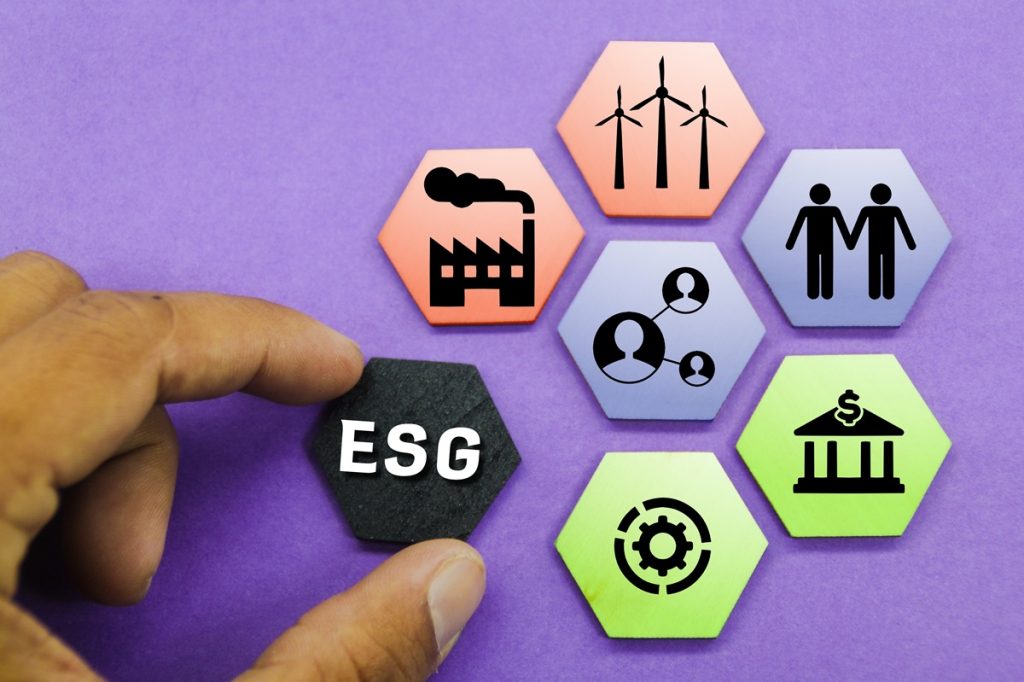
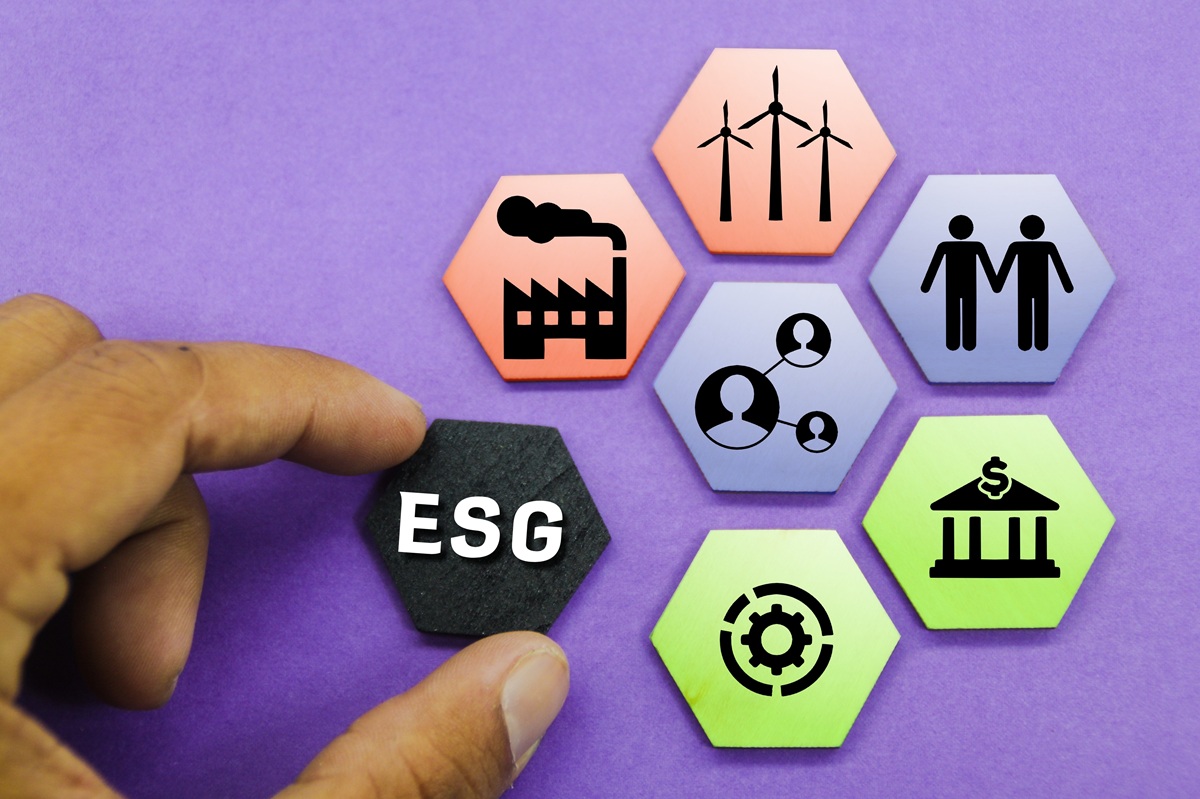
ESG stands for Environmental, Social, and Governance. It is a framework businesses use to measure how responsible and sustainable their operations are, beyond just financial performance.
Here is what each pillar covers:
- Environmental looks at energy consumption, carbon emissions, water usage, and waste management practices.
- Social covers labor conditions, workforce diversity, fair employment, and community engagement.
- Governance focuses on business ethics, data security, anti-corruption policies, and transparency in reporting.
ESG integration means actively building these standards into your business decisions, not just referencing them in an annual report. In an outsourcing context, it means evaluating partners through an ESG lens and holding them accountable to those standards throughout your engagement, not just at the point of signing.
Internationally recognized frameworks give businesses a structured way to measure and report on these factors. The Global Reporting Initiative (GRI) Standards and the IFRS Sustainability Disclosure Standards (Sustainability Accounting Standards Board or SASB) are two of the most widely adopted. On the regulatory side, the EU’s Corporate Sustainability Reporting Directive (CSRD) is already requiring thousands of organizations to disclose detailed sustainability data, with coverage expanding every year.
Why Outsourcing Creates ESG Risk and Opportunity
Here is a common misconception worth clearing up early: outsourcing a function does not outsource your ESG accountability for it. When regulators and investors evaluate your ESG performance, they look at your entire value chain, which includes the partners and vendors you rely on. If your outsourcing provider has poor labor conditions, high-carbon operations, or weak governance controls, that becomes part of your ESG footprint. Regulations like the EU’s Corporate Sustainability Due Diligence Directive (CS3D) are already extending compliance obligations deeper into supply chains, meaning a non-compliant vendor is now your legal exposure too.
Research from BCG found that 60% of companies now evaluate ESG factors when selecting outsourcing partners. That number is only going to grow as reporting obligations tighten across markets. But outsourcing is not just an ESG liability. Done right, it is one of the most practical ways to improve your sustainability performance. The right partner gives you access to:
- Specialized ESG reporting expertise without the cost of building a dedicated in-house team
- A lower environmental footprint through distributed work models and shared infrastructure
- Stronger social credentials by working with vendors that prioritize fair employment and community investment
- Scalable compliance support that can grow alongside your reporting requirements
The gap between ESG risk and ESG opportunity in outsourcing comes down to one thing: how deliberately you make and manage your vendor decisions.

The 5 Pillars of ESG Integration in Outsourcing
1. Vendor Due Diligence and ESG Scoring
Before any contract is signed, your vendor selection process needs an ESG layer. This means assessing potential outsourcing partners on their environmental footprint, labor practices, and governance structures alongside the usual cost and capability review.
Build an ESG scorecard into your procurement process. Third-party platforms like EcoVadis offer verified sustainability ratings specifically designed for vendor assessments. You can also check whether vendors participate in the UN Global Compact, which signals a voluntary commitment to internationally recognized ESG principles. Treat due diligence as an ongoing process, not a one-time onboarding step.
2. ESG Clauses in Outsourcing Contracts
If ESG requirements are not written into your contract, they cannot be enforced. Your outsourcing agreement should include specific, measurable ESG obligations covering labor standards, environmental practices, data governance, and reporting frequency.
Define what accountability looks like if a vendor falls short. This includes the right to request audits, demand corrective action plans, and, in serious cases, exit the contract without penalty. Clear ESG language in your contracts removes ambiguity and sets expectations before the partnership starts, which is always better than addressing issues after the pact.
3. Data Transparency and Reporting Standards
You cannot manage what you cannot measure. Require your outsourcing partner to provide consistent, auditable ESG data aligned with recognized international frameworks.
The GRI Standards, TCFD Recommendations, and SASB Standards are the most widely referenced. Ask your vendor how they collect ESG data, who verifies it, and how regularly it is reported. Strong reporting practices protect you on multiple fronts at once: with investors, regulators, and the customers who increasingly ask these questions before they buy.
4. Social Responsibility and Workforce Ethics
The “S” in ESG is often the most overlooked part of outsourcing decisions, and it is where some of the highest risks can hide. Fair wages, safe working conditions, freedom from forced labor, and genuine diversity practices are not optional extras. They are baseline expectations in any responsible vendor partnership.
The International Labor Organization (ILO) International Labor Standards set the global benchmark for workforce rights. Use these as a reference point when evaluating a vendor’s employment practices. For businesses outsourcing to the Philippines, there is also a meaningful upside here: partnering with responsible local employers contributes to economic development, supports fair employment, and strengthens your social impact credentials in a measurable way.
5. Environmental Impact Management
Outsourcing can actively reduce your environmental footprint when it is structured thoughtfully. Distributed and remote work models reduce the demand for large physical office spaces, cutting emissions tied to construction, energy use, and daily commuting.
Look for outsourcing partners with documented environmental management practices. The ISO 14001 Environmental Management Standard is a strong indicator that a vendor has a structured, auditable system in place for managing their environmental responsibilities. Set shared sustainability targets with your outsourcing partner and track progress as part of your regular governance reviews.
Common Mistakes When Integrating ESG in Outsourcing
Treating ESG as a Compliance Checkbox
Collecting a few documents at onboarding and ticking a box is not ESG integration. It is a liability waiting to emerge. Real ESG integration is ongoing. It requires regular vendor engagement, updated data, and a genuine willingness to address gaps as they come up, not just at the point of contract renewal.
One audit at onboarding tells you very little about how a vendor is operating in year two or three of your partnership. Build ESG reviews into the regular rhythm of your vendor management process.
Overlooking Sub-Vendor and Deeper Supply Chain Risks
Your direct outsourcing partner may have excellent ESG credentials. But what about the subcontractors and suppliers they work with? ESG risks travel deeper into supply chains than most businesses expect, and regulators across the EU and beyond are increasingly expecting visibility beyond Tier 1 vendors.
Ask your primary vendor how they manage ESG compliance across their own supplier network. Require sub-vendor accountability provisions to be included in your master contract. Visibility beyond the first layer of your outsourcing structure is quickly becoming both a competitive and a regulatory necessity.
Accepting ESG Claims Without Independent Verification
Any vendor can describe themselves as “sustainable” or “ESG-aligned.” What matters is whether those claims can be independently confirmed. Greenwashing in outsourcing is a genuine risk, and associating your business with a vendor who overstates their sustainability credentials can damage your brand and create real legal exposure.
Always ask for third-party certifications, independent audit documentation, or verified ratings before finalizing any vendor relationship. If a potential partner cannot produce proof to support their claims, that is a clear signal to keep evaluating your options.
Leaving ESG Out of Vendor Performance Reviews
If your vendor performance reviews measure cost, speed, and quality but never ESG, you are communicating clearly that sustainability is not a real priority for your business. Include ESG KPIs alongside your standard metrics in every regular vendor review. Track progress across reporting periods, give vendors the opportunity to address gaps proactively, and make ESG a standing part of your governance agenda. That signals it is a real expectation, not a formality.

Explore Outsourcing Opportunities from a Trusted Outsourcing Partner in the Philippines
Finding an outsourcing partner who genuinely aligns with your ESG values takes more than a keyword search. It takes working with a provider who has built responsible practices into how they operate, how they treat their people, and how they help your business grow.
At Outsource Philippines, we connect businesses with skilled, dedicated professionals while keeping quality, transparency, and responsible employment at the core of every engagement. Whether you are scaling your team, streamlining your operations, or building a more sustainable workforce strategy, we can help you do it the right way. Explore our outsourcing services and discover how a partnership built on the right values can drive real, sustainable growth for your business.
Frequently Asked Questions
What does ESG integration in outsourcing mean?
ESG integration in outsourcing means selecting, evaluating, and managing your outsourcing partners based on their Environmental, Social, and Governance performance, not just their cost or operational capabilities. It involves embedding ESG standards into your vendor vetting, contracts, and ongoing performance reviews so that your sustainability commitments extend across your entire value chain.
How do I know if an outsourcing provider is genuinely ESG-compliant?
Ask for third-party certifications, audited ESG reports, and documented policies on labor, environment, and governance. Platforms like EcoVadis provide verified sustainability ratings for vendors. Cross-reference claims against the UN Global Compact database or ISO certification registries. If a vendor cannot provide proof of their practices, treat that as a risk flag.
Does ESG integration make outsourcing more expensive?
Not necessarily. There may be upfront time involved in vendor vetting and contract updates, but ESG-aligned outsourcing partners tend to deliver stronger long-term value. They carry lower regulatory risk, better workforce stability, and stronger reputational profiles. Companies that outsource to ESG-compliant vendors have reported improved brand image and customer trust, which protects the bottom line over time.
Which ESG frameworks should I reference for outsourcing decisions?
The most widely adopted frameworks are the GRI Standards, the SASB Standards (now under IFRS), the Task Force on Climate-related Financial Disclosures (TCFD), and the UN Global Compact. For businesses operating in or selling into Europe, the EU’s CSRD is the key regulatory benchmark to align with. Using recognized frameworks also makes your own ESG disclosures more credible and comparable.
How does outsourcing to the Philippines support ESG goals?
Outsourcing to the Philippines aligns well with several ESG priorities. On the social side, it supports employment in a developing economy, promotes fair labor practices, and contributes to community economic development. Environmentally, remote and distributed work models reduce the need for large office infrastructure and associated emissions. Reputable Philippines-based outsourcing providers operate under transparent, compliance-driven governance frameworks that can directly support your reporting obligations.